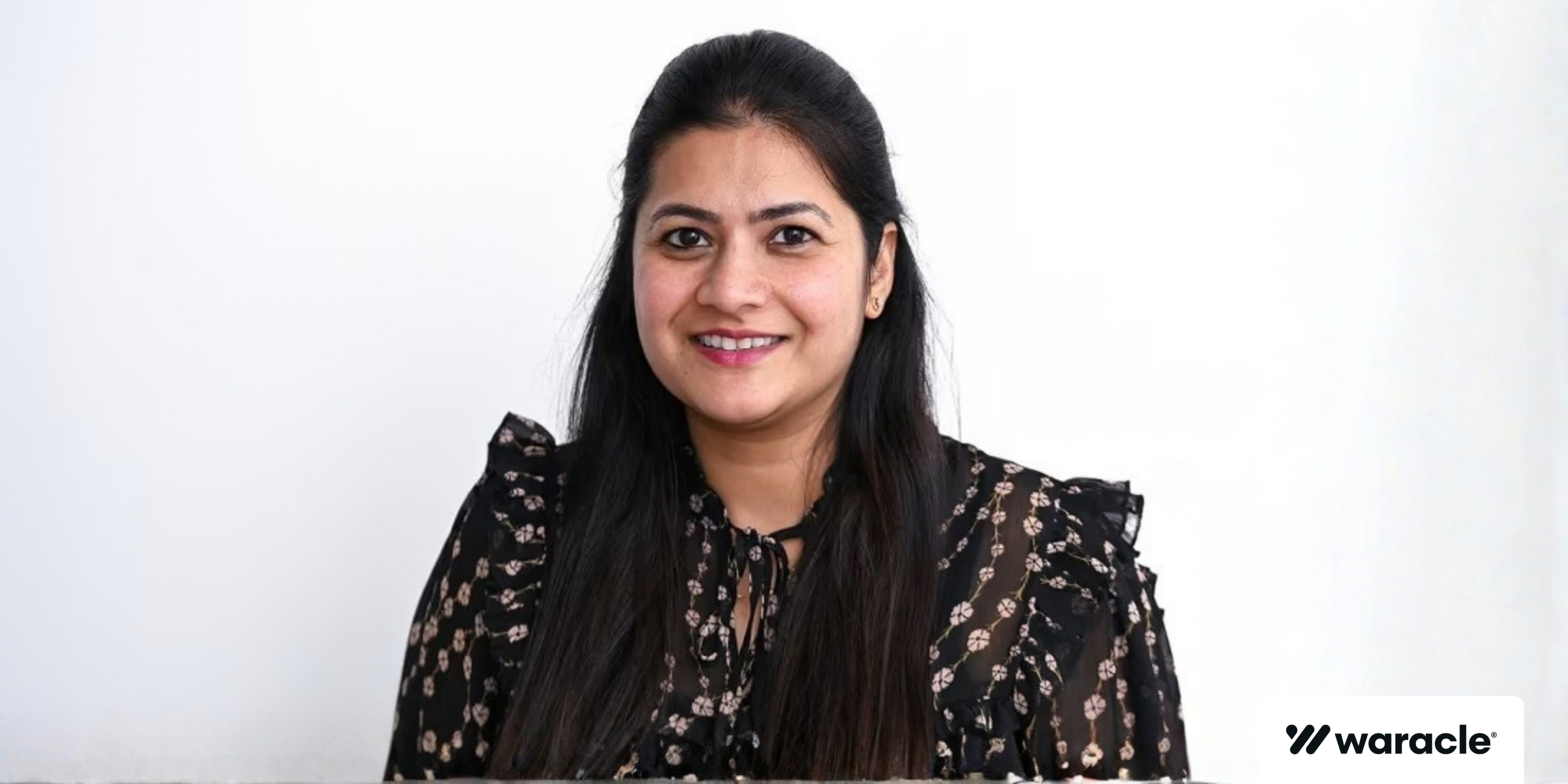
Work‑life balance as a woman in a male‑dominated team
Finding balance between career and personal life is a challenge for many tech professionals, but when you’re a woman working in a male‑dominated team, that challenge can feel twice as heavy. Between expectations, workplace culture, and internal pressure to prove yourself, managing work and life sustainably becomes more than a productivity issue, it becomes a matter of well‑being, confidence, and long‑term fulfillment.
The invisible weight of being “the only”
In many tech teams, women are significantly outnumbered. This imbalance can make everyday interactions feel heavier — from meetings where you’re overlooked, to being the only woman in a room of decisions. Over time, constantly asserting your presence or perspective drains energy that could otherwise be spent on rest, family, hobbies, or self‑care.
Balance tip: Cultivate small rituals that help you transition between “work mode” and “life mode.” Whether that’s listening to a favourite podcast on the commute or setting an alarm to mark the end of your workday, these rituals help your brain switch off from the persistent “on” feeling that often comes with being a minority voice.
Being taken seriously and staying yourself
Women are still often judged differently than men in tech. Some women report feeling pressured to adopt a less traditionally feminine presentation or a more assertive persona to be taken seriously, as though balancing professional credibility with personal identity is another job in itself.
This kind of invisible labour adds to emotional exhaustion. Striving for work‑life balance isn’t just about time; it’s about emotional energy too.
Balance tip: Define what your professional self looks like on your own terms. You don’t have to choose between confidence and authenticity. Mentally separating who you are from what you deliver can help you hold boundaries without sacrificing self‑expression.
Navigating micro‑moments that wear you down
Small behaviours in everyday work, being interrupted, having suggestions overlooked until repeated by someone else, or being asked to take notes because you’re a woman, might seem trivial in isolation. But they accumulate. These micro‑moments drain focus and self‑worth, subtly invading your mental space even outside of work hours.
Balance tip: Create recovery spaces. A lunch walk with music, a weekly yoga class, or a journaling routine aren’t distractions from productivity, they’re intentional resets that protect your emotional reserve.
Setting boundaries that stick
In male‑dominated cultures, there can be unspoken expectations: late messages, long meetings, “just one more thing.” Women in these spaces often feel they have to over‑deliver to be seen as equals, which leads directly to burnout.
Balance tip: Start with small boundaries that are easy to communicate and enforce. For example:
No Slack replies after 7pm unless it’s urgent.
Two deep‑focus hours in the morning with “do not disturb” enabled.
One full day off tech every weekend.
You don’t need dramatic changes overnight; consistency is what creates balance.
Find allies, be an ally
Balance isn’t just personal, it’s communal. Allies in your team can help create shifts in culture over time. And as you grow into your role, you can become an ally for others who feel overlooked or undervalued.
Balance tip: Build micro‑communities, whether that’s a regular coffee catch‑up with another woman on your team, joining a women‑in‑tech group, or mentoring a junior colleague. These connections enrich your work life and make your non‑work life feel more supported too.
Celebrate your wins even the small ones
In a team where women are often in the minority, achievements can feel expected or invisible. It’s easy to overlook progress when you’re constantly adapting or defending your place.
Balance tip: Keep a “win list.” Each week, write down three things you’re proud of — big or small. Not only does this boost confidence, it reminds you that your work is meaningful and that your days have purpose beyond tasks and meetings.
Work‑life balance isn’t a perfect state you reach; it’s a set of choices you make every day. As a woman in a male‑dominated team, your experience of balance will be shaped by the cultural and emotional labour you navigate. That’s why balance practices should be both practical and restorative.
You deserve a career that energises you, not one that depletes you.