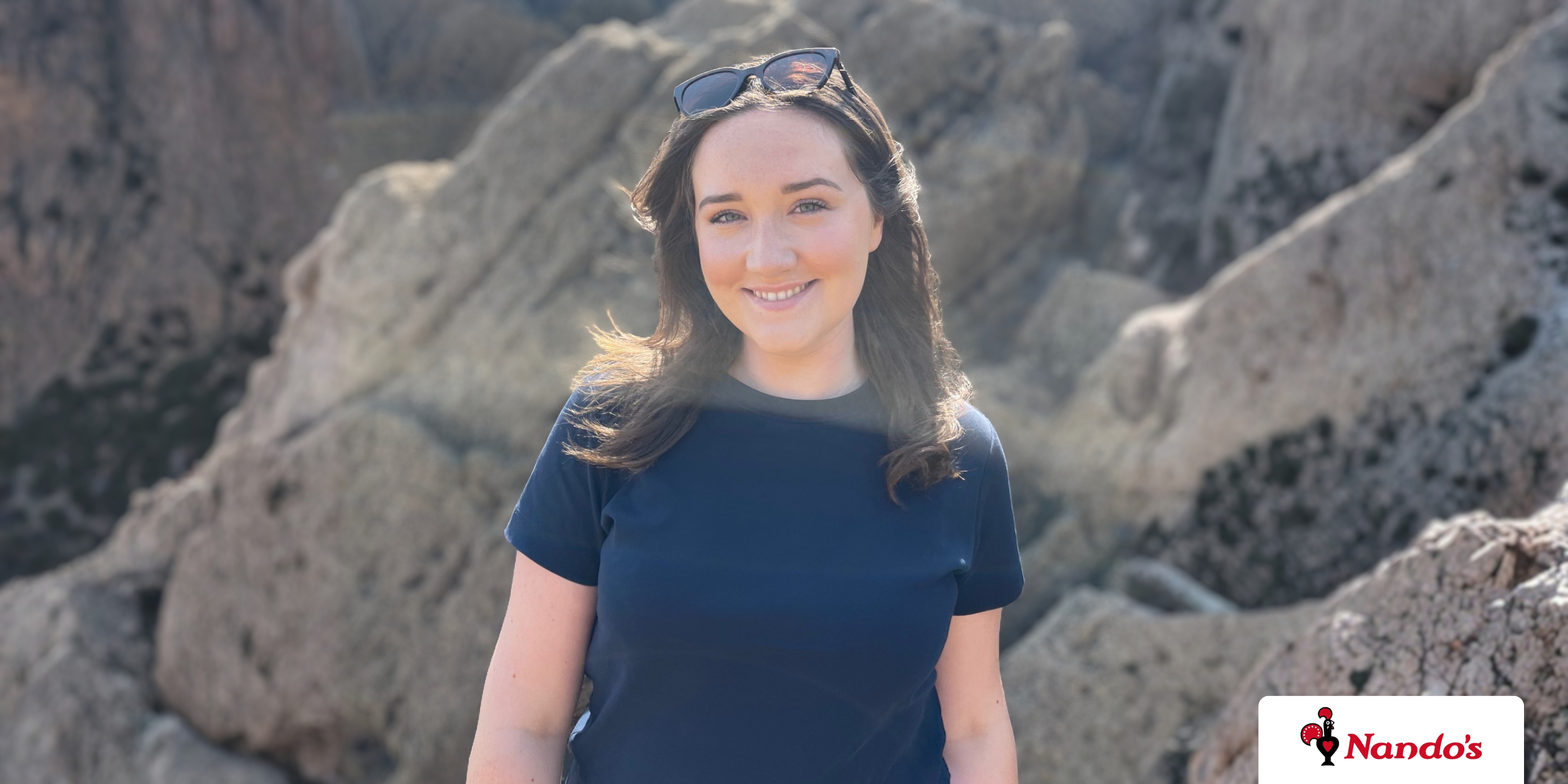
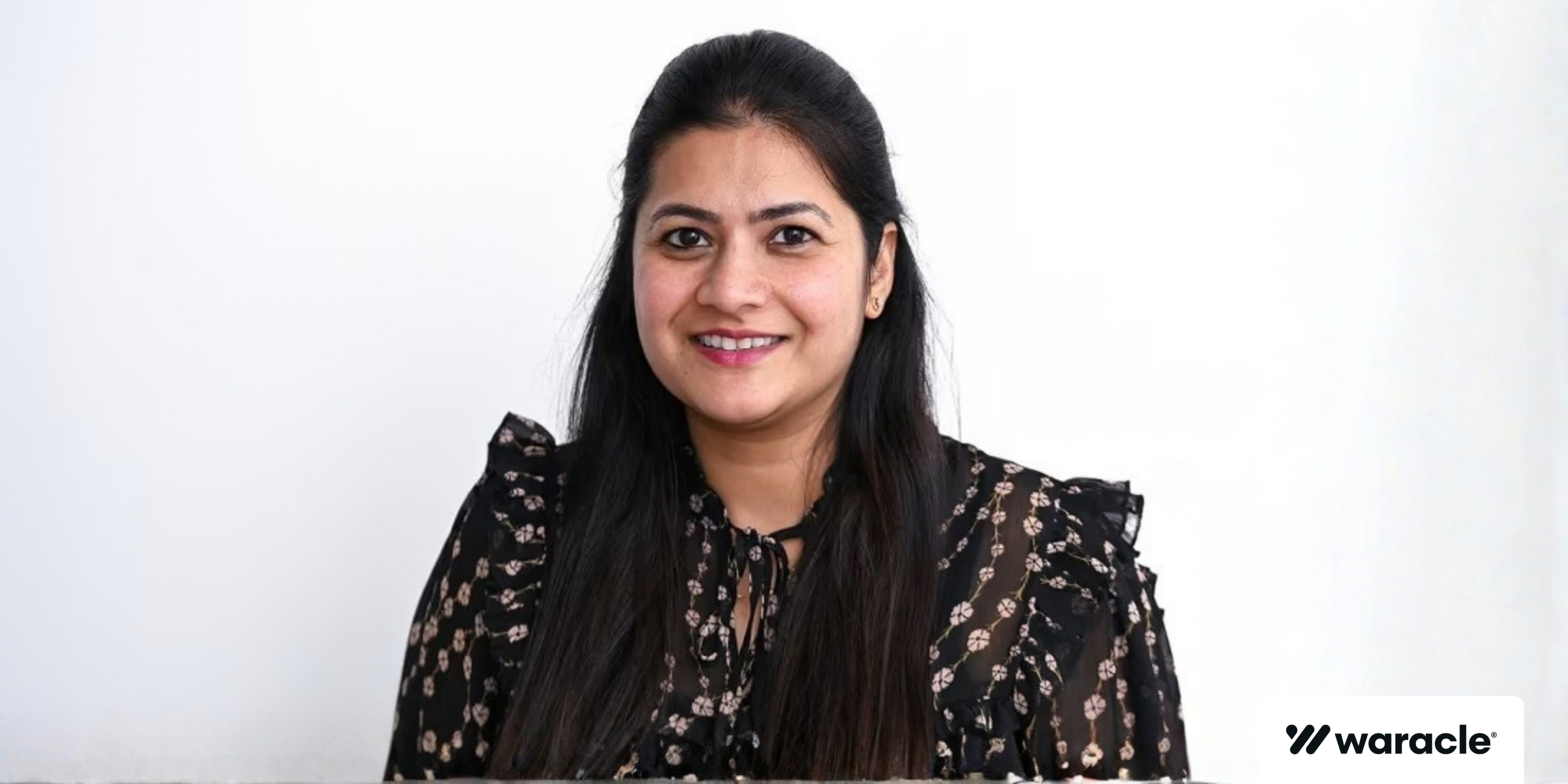
Studied: English & Philosophy (BA Hons) at University of Nottingham, Human Computer Interactive Technologies (MSc) at University of York Previously at: Thomson Reuters, BT, Tide, Pollen
How did you end up in UX Research?
It’s such a unique story, but it was through someone I knew while babysitting in 6 th Form (shout out to Christina & Mia) who worked at Thomson Reuters. She asked me if I was up for a summer internship in Web Publishing there as a development opportunity, and I took it immediately. They kept me on during University and I learned everything about UX, design, and how websites were built. It was an incredible exposure to the professional working environment at such a young age, spending my summer in Canary Wharf.
When I was looking for full-time work after finishing my undergraduate degree, I reached out to Mia, who had just left the company to start a new UX design team at BT Business. She offered me a junior UX research role after learning about my analytical skills through my dissertation, and that’s where I was able to really start my UXR career. While I was there, I was also able to complete my master’s degree alongside work, which gave me a fantastic opportunity to directly apply my new knowledge in a pragmatic way.
How was your transition from a larger research team to being a solo researcher?
When I moved to Tide, I was the only UX researcher, and it opened so many more opportunities for me to wear different hats and shape research within the business. I had to pivot quickly and learn what to prioritise to drive the most impact. I’ve always enjoyed coaching and mentorship, so by taking a democratic approach to research, I got to flex that skill too. I originally wasn’t going to apply to Nando’s because they were hiring for a UX Research Manager, and I felt that was beyond my scope at the time. However, when I unpacked the job description, I realised I could meet all the needs of the role, so a good takeaway is to always try and understand the complexities of what the business is really asking of you.
What has your experience been like as the only UX researcher at a company like Nando’s?
The hardest task at Nando’s was creating consistency and standardisation across the team, but I’m fortunate that my team already understood the value of research. In general, the main challenge is staying connected to the direction UXR is moving across the industry and evolving how research grows in the company. As a solo researcher, I lead the entire direction for the wider team, so whatever I can learn and embed into our practice has a huge ripple effect on the execution of UXR across the business. It gives me a huge amount of autonomy in my role.
What advice would you share to anyone trying to get into UX Research today, especially with the rise of AI?
Stay grounded in the essentials but still be open to consistent learning and honing your softer skills. I think you must approach AI with a real growth mindset perspective, because it’s going to be an absolute core of research practice moving forward, but you’ll only become an expert in it with good foundational knowledge that you can critically apply. Another thing I’ve always taken with me in my personal and work life is to “Make it happen” – it’s something my headteacher used to say. In every business that I’ve worked in, I’ve been able to use my autonomy to drive something forward or support some bigger positive change in the company culture. This was achieved by having the belief system that if you want something enough, you can make it happen for you.
Lastly, why do you think that diversity in tech is important?
I think that it is so hard to aspire to be anything that you can’t see in the world. I was so fortunate that in my first career roles, I was surrounded by strong female leadership – even at Nando’s, our leadership team is pretty much a 50/50 split of female and male leaders. That makes me feel like I could be there one day. For me, having female leadership was what encouraged me to end up in a Tech role in the first place, then led me to even dream about the idea of having a master’s degree in computer science – something I never would have ever reached for in my school days. I’ve seen firsthand how diversity in Tech has created aspirations for myself and others that would have never existed beforehand.
Emily Theodore
Emily Theodore, Product Designer at Nando's UK & IRE