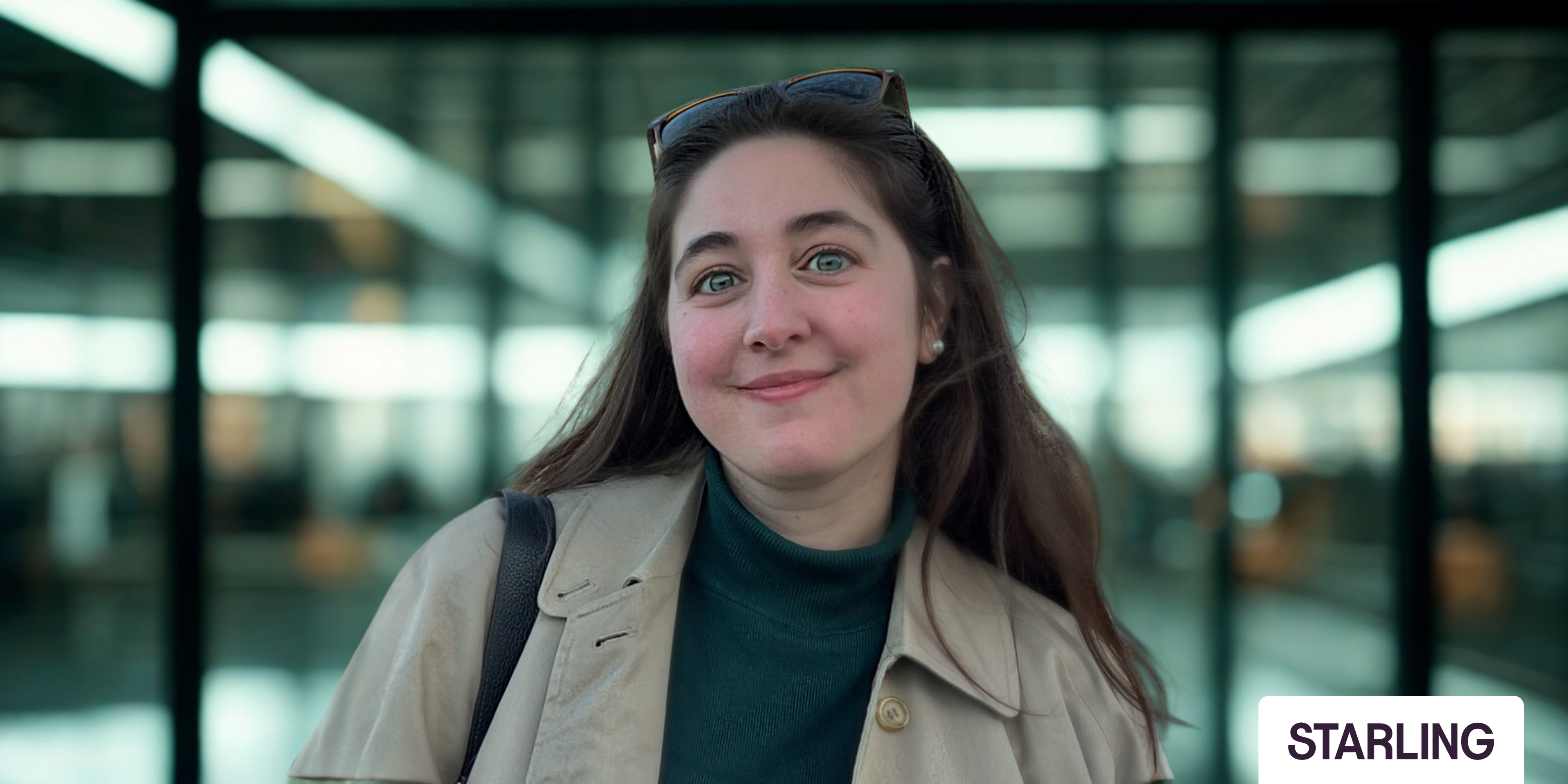
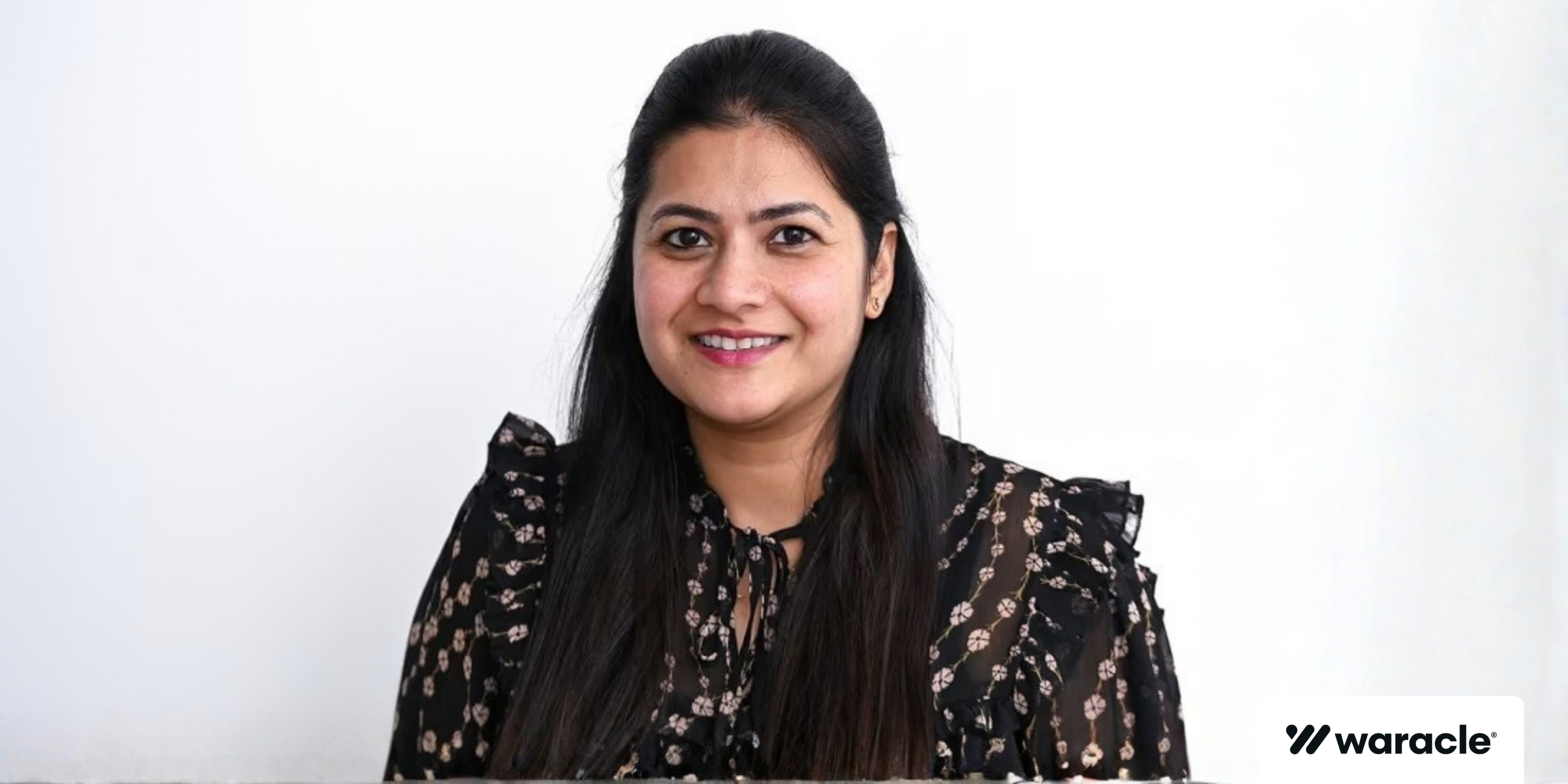
I’m part of the Organisational Mapping team within our Developer Experience division. Our goal is to create a “central brain” of how people, teams, systems, and business domains connect under the Starling umbrella.
On a day-to-day basis, I write code in Java and TypeScript, building features across our Engineering Portal and two back-end services: Service Catalog and Incident Manager. My role is all about finding ways to automate manual processes, ensuring our developers stay productive while keeping risk to a minimum.
What made you choose a career in technology?
I’ve been tech-curious since I got my first computer at age five. However, I never really thought a career in tech was in the cards for me, so after University I pursued a career in tech recruitment.
During that time, I spent hours reading about emerging technologies and talking to experienced engineers. Many of them encouraged me to explore engineering myself, but it wasn’t until 2024 that I finally took the leap.
I chose tech because I love solving complex problems and building tools that make people’s lives easier!
Did you study an IT or technology-related subject at A-Level or University?
Actually, I didn’t! I studied Political Science and International Studies at a liberal arts college in the US. I did take a “Computer Science 101” course there, but that was the extent of it at the time.
After graduating, I took some introductory courses in HTML, CSS, and Python for fun with Code First Girls. Eventually, I completed their nano-degree in Software and Data, sponsored by Starling which is exactly how I landed this role
Did you get any work experience in IT or technology before this role?
I didn’t, so I was definitely nervous! However, Starling has been incredibly welcoming. I’ve never felt hesitant to ask questions or be open about my background, and any time I’ve needed help people inside and outside of my team have made the time.
Do you think there is a lack of women in the IT and tech sector?
Absolutely. Women make up less than 25% of tech teams in the UK, and that figure is even lower for women of color. While there are great initiatives currently addressing this (including new government-led taskforces) we still have a long way to go for representation.
Do you find there is a stereotype that a career in tech is just for men?
There is, and people are often surprised when I tell them I’m a Software Engineer. But the tide is turning. As more women take on technology roles, it’s really encouraging to see us breaking some of these old stereotypes!
What would entice women to study technology-related courses?
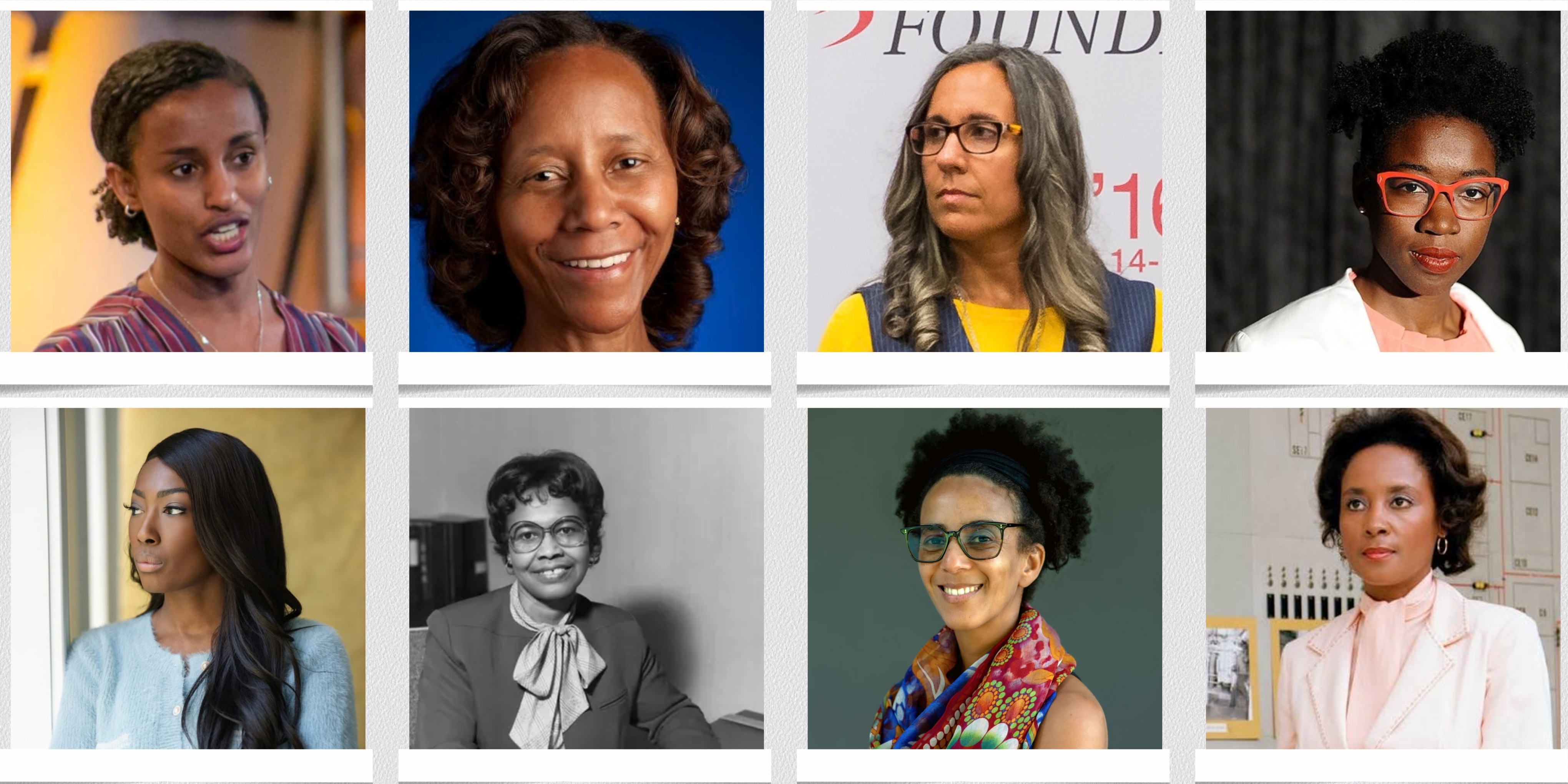
Representation is key. Seeing women from all walks of life succeeding in tech makes a career in this field feel so much more attainable.
I recently spoke at a girls’ school in East London with my line manager. The Year 9 students were so engaged, asking about the ins and outs of an engineering job but also other types of jobs in tech. Their teachers later told us that seeing “real people” in these roles led to an increase in girls choosing STEM subjects for their GCSEs, so we need more of that.
Are there barriers when it comes to women getting into tech?
Absolutely – stereotypes such as having to be good at maths or have a STEM degree have historically been a big barrier of entry, but also the lack of visibility of women across different areas of technology has played a role in many not pursuing a career in tech.
There are so many pathways and diverse roles within the industry that don’t require a traditional background. We need to change the narrative so that brilliant women stop counting themselves out before they even begin.
How could we encourage more women to start a career in tech?
We need to create more safe spaces like coding clubs and hackathons where women can experiment without judgment.
As a career-switcher, giving myself “permission” to pivot after years in another industry was daunting. I haven’t regretted it for a second. The support from Code First Girls and Starling was invaluable, and I’d love to see more companies offer similar pathways for women to transition into the industry.