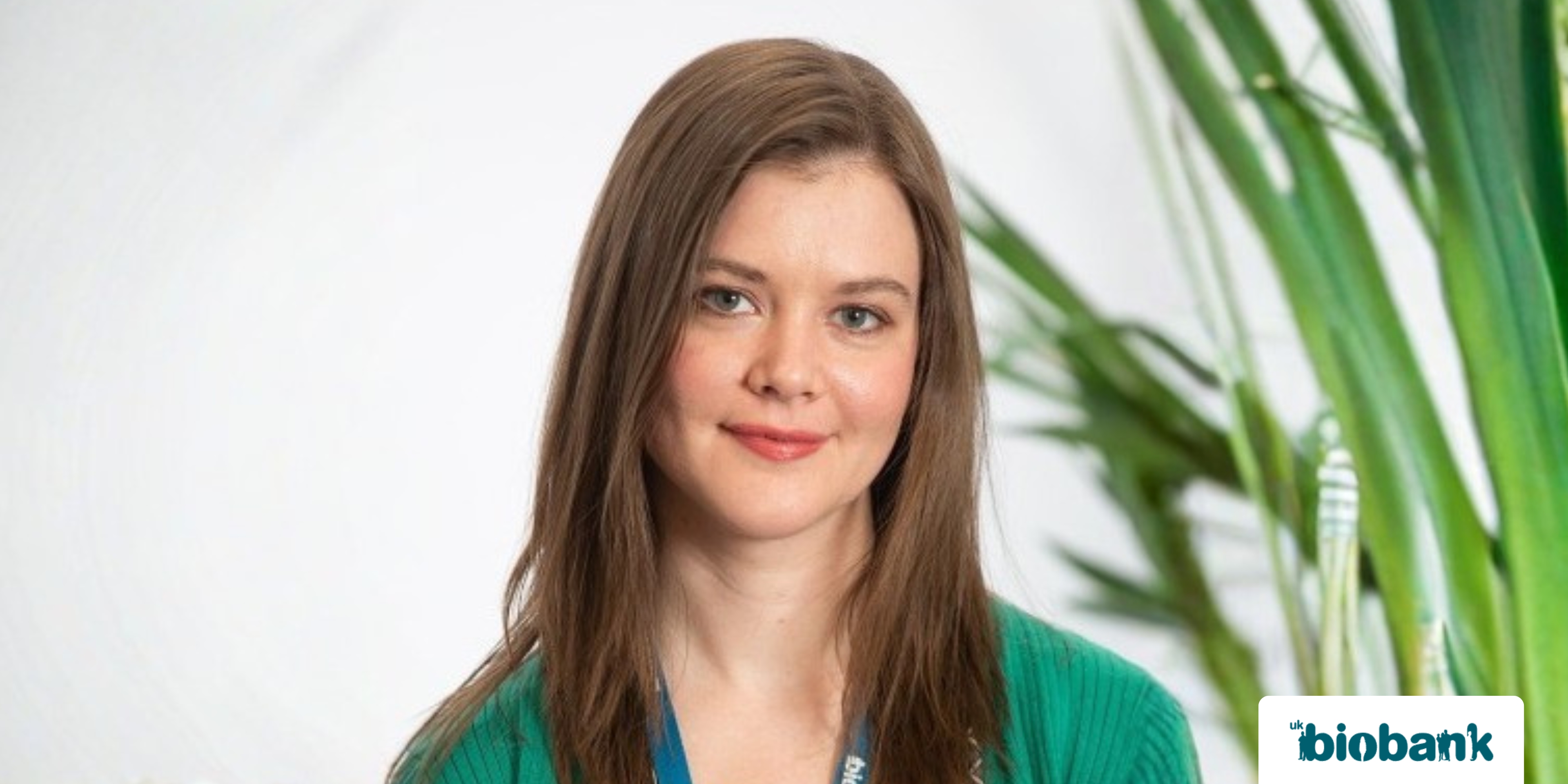
UK Biobank – Lucy, Researcher Platform Solutions Lead
What first sparked your interest in technology, and what route did you take to get into the field?
I have always been interested in technology. Having geeky parents probably helped, but I have also always enjoyed solving problems and working things out.
My route into the field was slightly left field. I started with a science degree in pathology, which was not an especially technical subject. As part of my work, I learned to code so that I could carry out data analysis. From there, my interest grew.
I moved from simply carrying out the analysis myself to thinking about how software and systems could better support other people doing that work. That was really the point at which my career began moving more firmly into technology.
Did you face any challenges when you first entered the technology sector?
Technology is extremely fast-paced, which is both exciting and challenging. There are always new problems to solve, new tools to understand and new things to learn. That pace means you have to be prepared to keep developing. It is not always an area where you can dip in and out easily, because things can change very quickly. However, that constant change is also one of the things that makes the work interesting.
My role has changed a lot. I joined as a Data Analyst, which felt familiar because I had carried out scientific data analysis during my PhD. Since then, I have been given many opportunities to learn and grow. I became involved in the 500K whole genome sequencing project and other large-scale projects, which allowed me to move back into the bioinformatics space and work at a much greater scale.
I was also promoted to lead the Data Analyst team. Through my work in bioinformatics, I began learning more about cloud platforms and how they could help UK Biobank support researchers working with very large and complex datasets.
Cloud technology became an area I was really interested in, even though it was something I had barely heard of when I first joined. UK Biobank has given me the chance to explore new areas and develop as I have progressed.
What advice would you give to younger women considering a career in technology,
science or data?
I would say that if it is something you want to do, go and do it.
It can sometimes feel off-putting, particularly when you are the only woman in the room. That can still happen in science and technology, but the sector is changing.
Over the past few years, I have seen many talented women join the UK Biobank. There are more women coming into these careers, and it no longer feels like the very macho industry people may remember or imagine from ten years ago.
Do not let the initial feeling of being an outsider put you off. There are plenty of other people coming into the sector, and it is continuing to become more diverse.
Have you seen attitudes towards gender diversity changing?
I think they are beginning to shift. There is still progress to make, particularly at more senior levels, but among people entering the sector now, the balance is changing.
That change takes time because people joining today will not immediately move into the most senior positions. However, I think the direction of travel is positive.
The diversity I have seen is also broader than gender. Many people are retraining or moving into technology after doing something completely different earlier in their careers. That is helping to bring a wider range of backgrounds, perspectives and experiences into the sector.
How does flexible and hybrid working at UK Biobank support colleagues?
Flexible and hybrid working is becoming much more common. I know colleagues, including people in senior roles, who work non-standard patterns as their normal arrangement.
Some people compress their hours into four days, work around school pick-ups or adjust their start and finish times. Even a small change, such as working from 8am to 4pm or 10am to 6pm, can make a real difference.
Hybrid working also gives people more options for managing everyday life. There are probably more people working a slightly different pattern than those working exactly nine to five. That flexibility helps colleagues organise their working lives in a way that suits them while still contributing fully to their teams.