18th September 2026

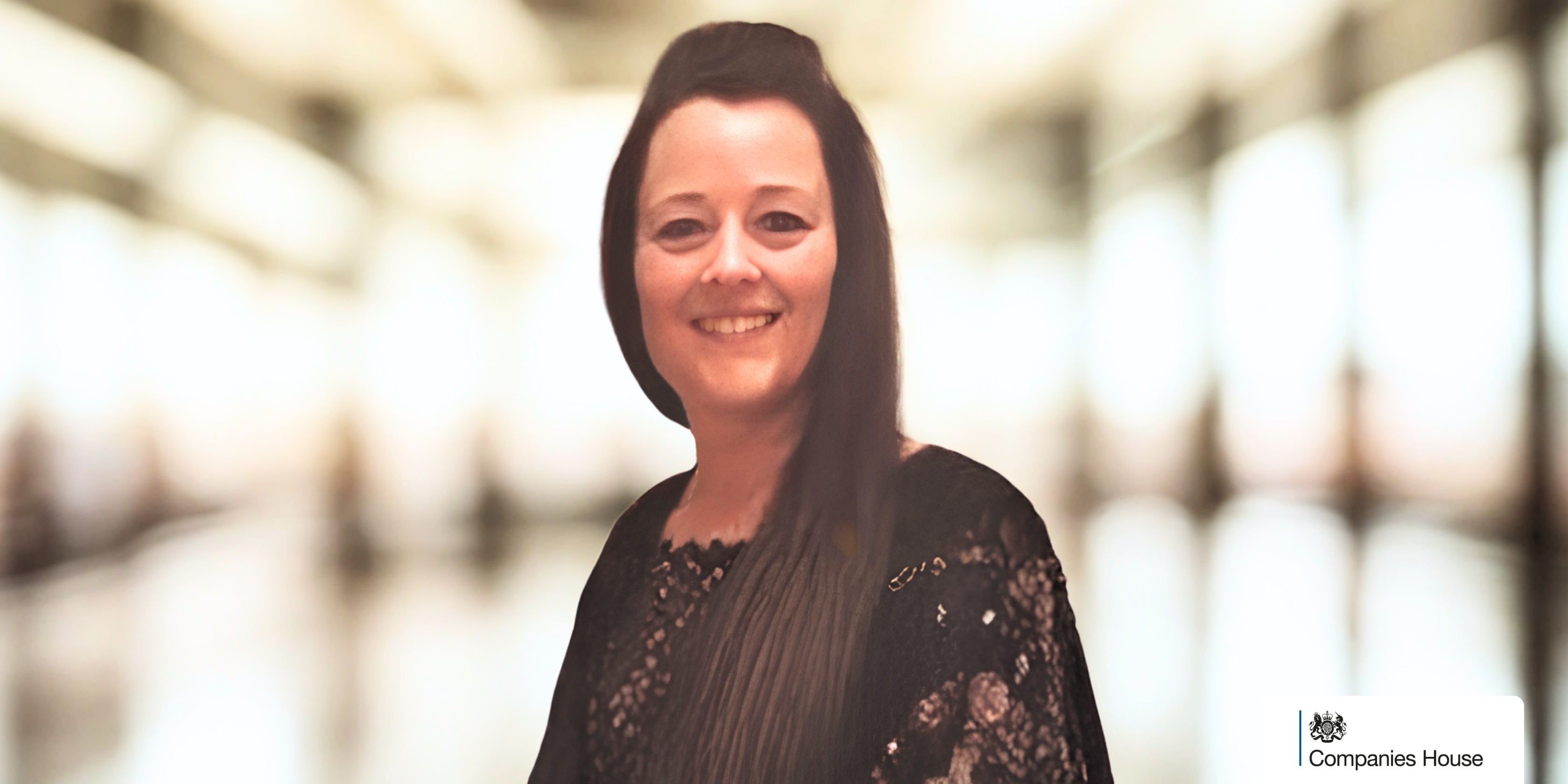
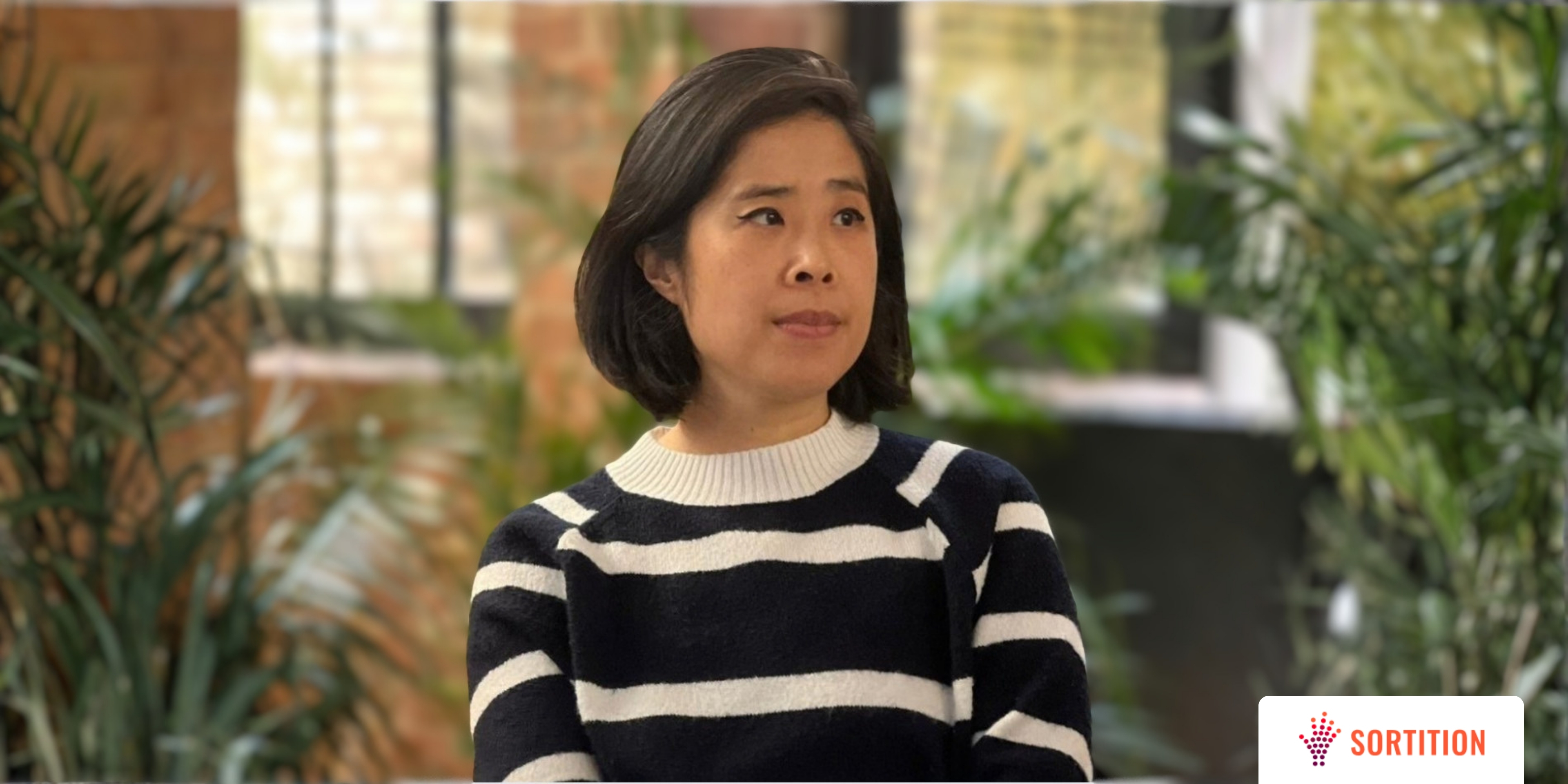
Sortition Foundation – Ruth, Director of International Operations

Sortition Foundation - Ruth, Director of International Operations

Can you succeed in a tech-driven organisation without a technical background? According to Ruth, Director of International Operations, the answer is a resounding yes.

In this insightful interview, we explore the vital intersection of operations, leadership, and technology. Discover how a background in History, International Relations, and an MBA can bridge the gap between business strategy and social impact, why non-technical roles act as the “glue” holding modern tech organisations together, and how breaking down the assumption that “tech equals coding” can pave the way for greater diversity and inclusion in the sector.

Can you tell us about your role as Director of International Operations and the part technology plays in your work?

As Director of International Operations at an organisation of around twenty people, my role covers almost everything you’d associate with “operations” – People, Finance, Tech, Legal, and more. What makes it distinctive is that Sortition Foundation and our subsidiary, Sortition Europe Nonprofit Kft, run like a workers’ cooperative, built on consensus-based decision-making. So while I hold responsibility for those areas, I mostly deliver them collaboratively, working alongside other members in cross-functional working groups. I’m also part of the directors’ working group, where together we shape the story, structure and strategy of the organisation.

Your career has been in operations rather than traditional technical roles. How did you find your way into working alongside technology organisations?

I think the chances that one will find themself in a tech or tech-adjacent organisation these days are quite high! I did not seek out tech organisations but at the same time, I’m fascinated by how tech can be usefully deployed to bring social justice, better people’s lives, and generally create better conditions around the world.
I’ve always said that my History and International Relations degree helped me to synthesise lots of information (often from competing viewpoints) and return with an evidenced opinion about a way forward. Couple that sort of training with business models and applications and you get a pretty neat set of skills to cut through a lot of situations and move things forward.

What have you learned from working in technology-driven organisations despite not coming from a technical background yourself?

I’ve learned that at its heart, most organisations are the same – we are made of a diversity of people all hopefully driving towards the same goal. So, whilst I may not know how to code (or even read code – gasp), people are fundamentally the same and working together to achieve a mission binds us to the same sort of language!

How important are non-technical roles such as operations, leadership, finance, people and legal within a technology-driven organisation?

Ha, I think I’m biased here but non-technical roles are just as important as tech roles in a technology-driven organisation! We’re the glue that keeps it all together!

What barriers do you think women can face when entering or progressing within technology and technology-related organisations?

From what I’ve observed, one barrier is the assumption that you need a technical background to belong in a tech-adjacent organisation at all – I’m proof that’s not true. I think confidence plays a role too: women can be less likely to put themselves forward for roles unless they meet every criterion, whereas the reality is that operational, leadership and strategic skills are just as vital to a tech-driven organisation as coding is. Visible representation also matters – seeing women in senior roles, technical or not, makes the path feel possible.

What role do you think women in senior non-technical positions can play in making the technology sector more inclusive?

We can shape hiring and promotion processes structurally, not just symbolically. In my role, I have direct influence over job descriptions, interview panel composition, recruitment process design, and more – levers that quietly determine who gets in and who gets stuck. We can also help set the tone in (virtual) rooms. Even without deep technical expertise, a senior leader who consistently asks “who else should be in this room” or “have we heard from the junior engineer on this” in planning or budget meetings shifts norms around whose voice counts.
Do you think there is a lack of females in the IT and tech sector?

Measured against population demographics, women are clearly underrepresented in IT and tech and that gap widens the more senior the role. It’s not unique to this sector; we see the same pattern elsewhere. I’d love to see that change, and I’m fortunate to work alongside people at Sortition Foundation who are just as committed to building the future we want to see.

How could we encourage more women to start a career in tech?

I’d point to a few things: showing that “a career in tech” doesn’t have to mean a technical role – organisations like ours need people, finance, legal and strategic expertise just as much as engineering skill. Mentorship and visible role models help too, especially from women in senior positions. And workplace culture matters enormously; at Sortition, our cooperative, consensus-based way of working has meant I’ve never felt like an outsider despite not having a technical background myself.