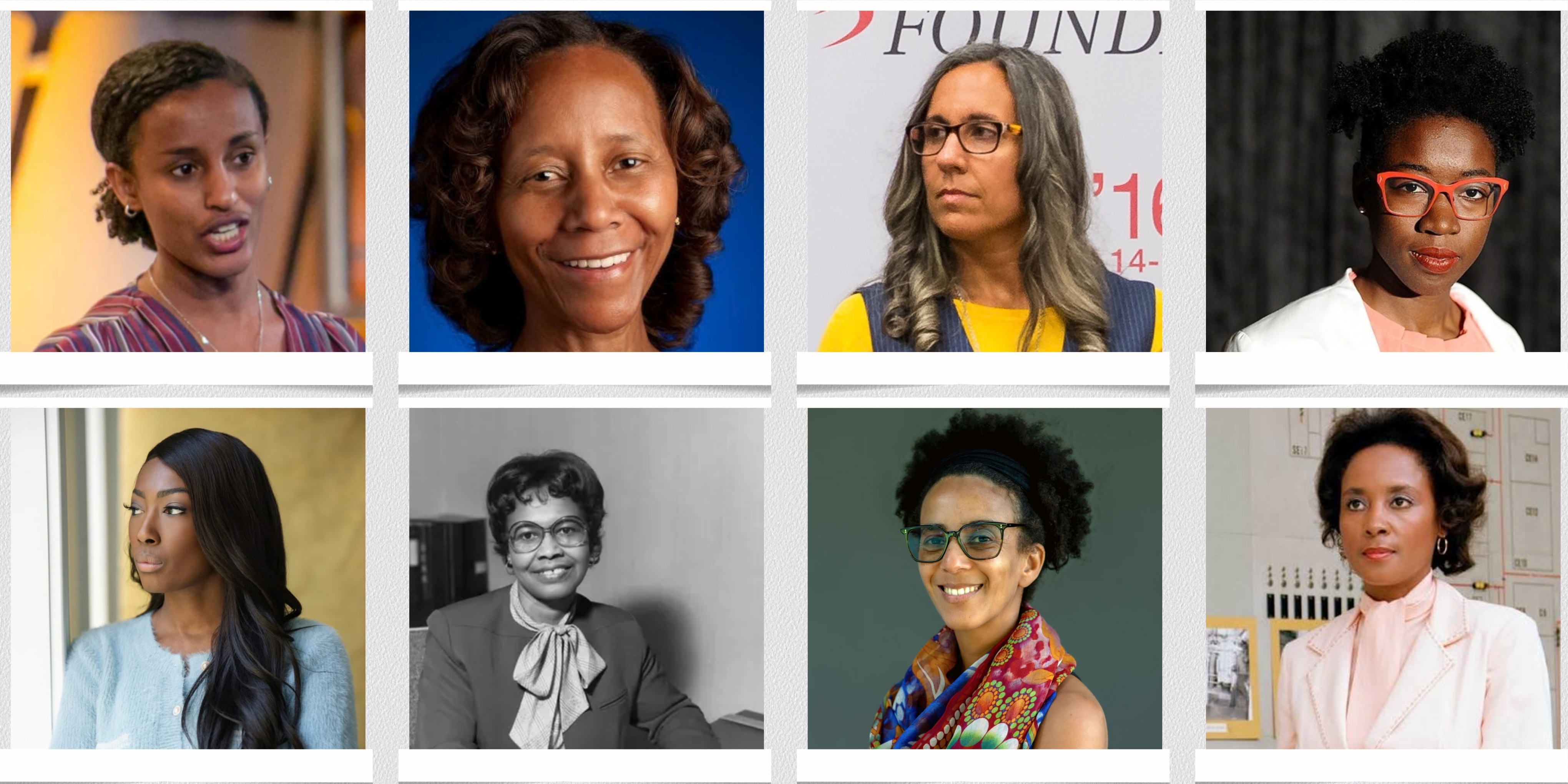
Innovation thrives on diverse perspectives, yet for generations, the immense contributions of Black women to science and technology have often been overlooked or relegated to the background.
During Black History Month, and every month after, we take the opportunity to amplify the voices, breakthroughs, and leadership of Black female technologists who continue to rewrite the digital landscape. From navigating non-traditional career paths to driving transformation in software engineering, cybersecurity, and AI, Black women are not just taking up space in tech; they are driving it forward.
In this article, we celebrate their stories, unpack their impact, and explore how we can collectively dismantle barriers to create an industry where Black women don’t just participate, but lead and excel.
Role: NASA Computer Scientist, Mathematician, and Rocket Scientist
Annie Easley was a trailblazing mathematician and computer scientist whose career at NASA spanned over four decades. Joining NACA (NASA’s predecessor) in 1955 as a human “computer,” she evolved alongside the technology, becoming an expert computer programmer who developed and implemented code for high-energy rocket systems, including the Centaur upper-stage rocket. Her foundational work on energy conversion systems later laid the groundwork for modern hybrid vehicle technology and early communications satellites. Beyond her technical achievements, Annie was a passionate advocate for workplace equality and mentorship, tirelessly working to break down racial and gender barriers to inspire future generations in STEM.
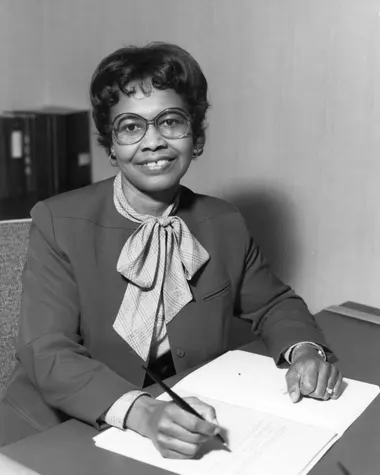
Dr. Gladys West’s groundbreaking mathematical modeling and computer programming at the Naval Proving Ground fundamentally transformed modern navigation. Her precise calculations of satellite orbits and intricate geodetic models of the Earth’s shape laid the technical foundation for the Global Positioning System (GPS)—technology now relied upon by billions across the globe daily.
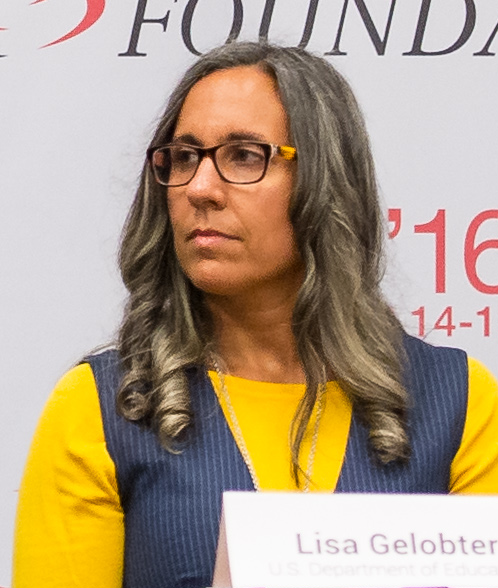
Role: Chief Executive Officer and Founder of tEQuitable (Former Chief Digital Service Officer for the U.S. Department of Education)
Lisa is a brilliant computer scientist and technologist whose work shaped the modern internet. She played a critical role in the development of web animation (GIFs) and online video streaming technologies. Throughout her career, she has combined technical engineering with public service, using tech to build inclusive workplace cultures and improve digital accessibility across government and private sectors.
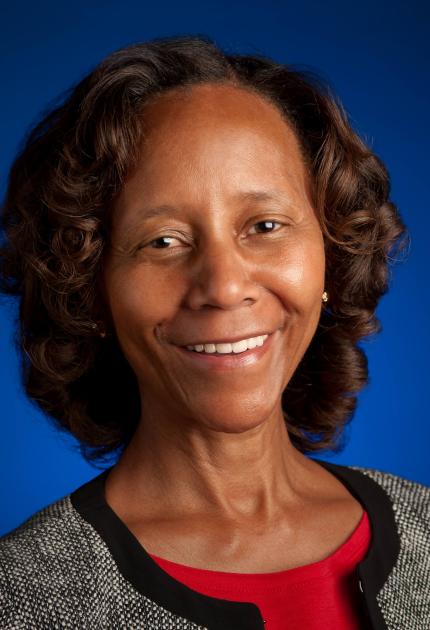
Role: Vice President of Engineering at Google (Former Senior VP at AT&T)
Dr. Croak is a pioneering computer scientist who fundamentally changed how the world communicates. She holds over 200 patents, most notably for her groundbreaking work in Voice over Internet Protocol (VoIP)—the technology that powers modern video calls, remote conferencing, and internet telephony (such as Zoom, Teams, and WhatsApp calls). She also patented text-to-donate mobile technology, which revolutionised disaster relief fundraising after crises like Hurricane Katrina.
Role: Founder and CEO of STEMBoard (Former NASA Aerospace Engineer)
Aisha is a brilliant aerospace engineer and tech entrepreneur whose career spans public service and high-impact innovation. After working as a guidance, navigation, and control engineer at NASA—where she developed algorithms for air traffic management—she transitioned to tech leadership. She founded STEMBoard, a rapidly growing technology solutions company that builds software and systems for government and private sectors, while also creating LINGO, a coding kit designed to democratise technical education and empower the next generation of coders.
Role: Founder and Executive Director of the Distributed AI Research Institute (DAIR)
Dr. Gebru is a world-renowned computer scientist and artificial intelligence researcher specialising in algorithmic bias, ethics, and the societal impacts of AI systems. Formerly co-lead of the Ethical AI research team at Google, she is a leading voice in challenging the tech industry to build responsible, transparent, and equitable AI models. Through DAIR, she champions independent, community-rooted AI research that protects marginalised groups from algorithmic harm and ensures technology serves humanity equitably.
Role: Founder of the Algorithmic Justice League and Computer Scientist
Known as the “Poet of Code,” Dr. Joy Buolamwini exposed systemic bias in commercial facial recognition technology through her seminal research at the MIT Media Lab. By demonstrating how AI models failed to accurately recognise darker-skinned female faces, she launched the Algorithmic Justice League to champion equitable, ethical technology and hold major tech corporations accountable for algorithmic harms.
Role: Assistant Professor of Computer Science at University of California, Berkeley (Co-founder of Mechanism Design for Social Good)
Dr. Abebe is a leading computer scientist specialising in Artificial Intelligence and algorithms. Her research focuses on equity, fairness, and socioeconomic inequality, using AI and machine learning tools to address systemic challenges in resource allocation, healthcare, and education. She is a pioneer in ensuring that next-generation AI systems are built to benefit marginalised communities rather than widen the digital divide.
Recognising the achievement of Black women in technology is more than a seasonal reflection; it is a call to action.
Real inclusion requires shifting from passive recognition to active support through dedicated mentorship, transparent hiring, and sustained sponsorship. Together, we can break down systemic barriers, amplify talent, and build a truly equitable ecosystem across STEM.
Are you ready to take the next step in your tech journey, or help shape an inclusive workplace?